Electrical and mechanical reconditioning for maritime, energy and industrial applications
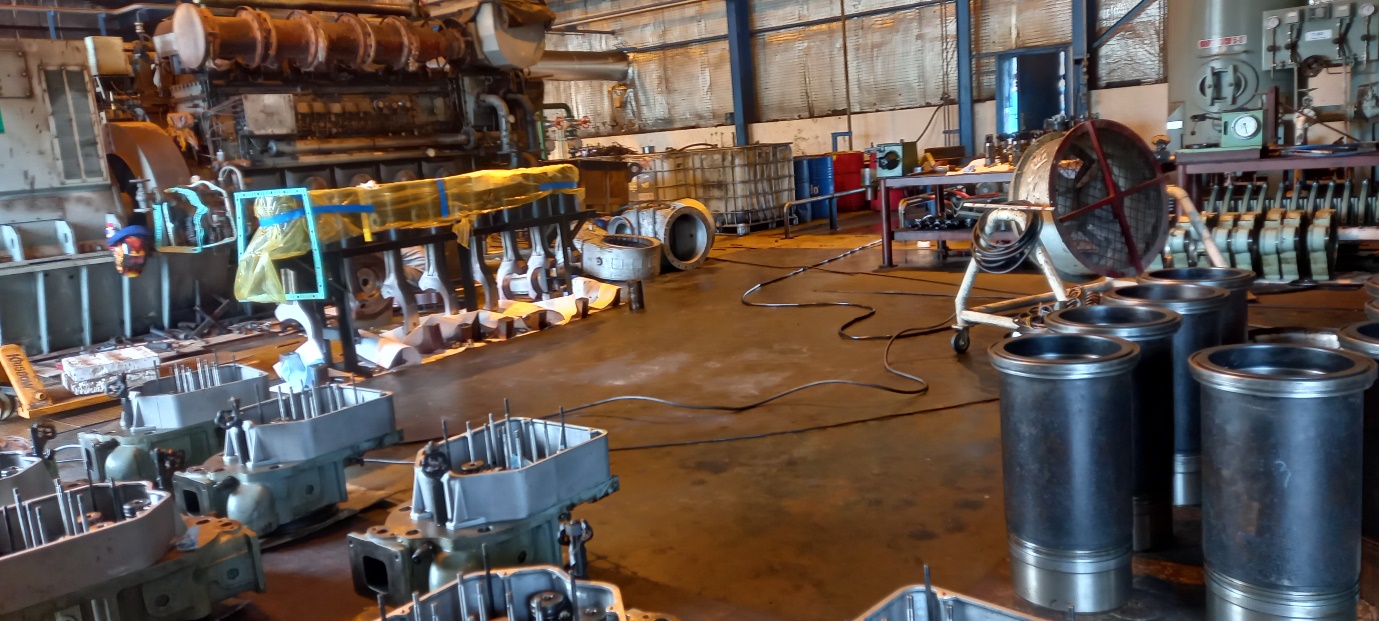
Beck Service is your reliable service partner for 2 – and 4 stroke engines, Industrial mechanical and electrical.
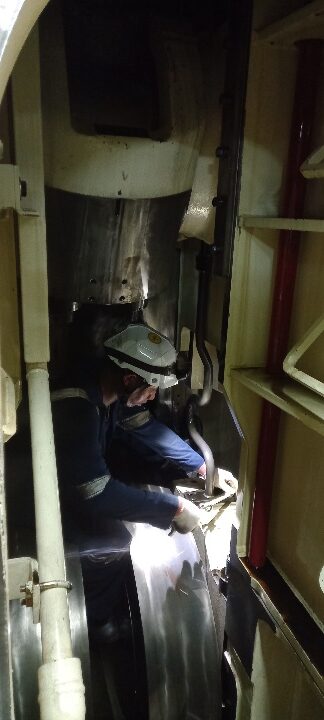
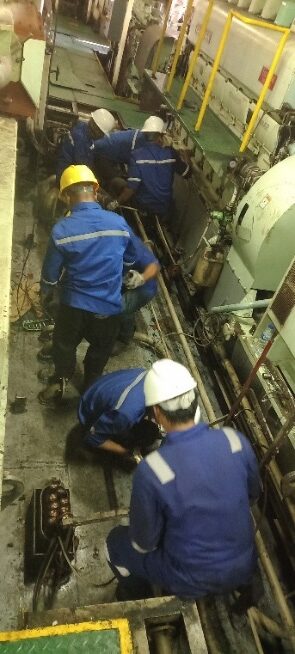
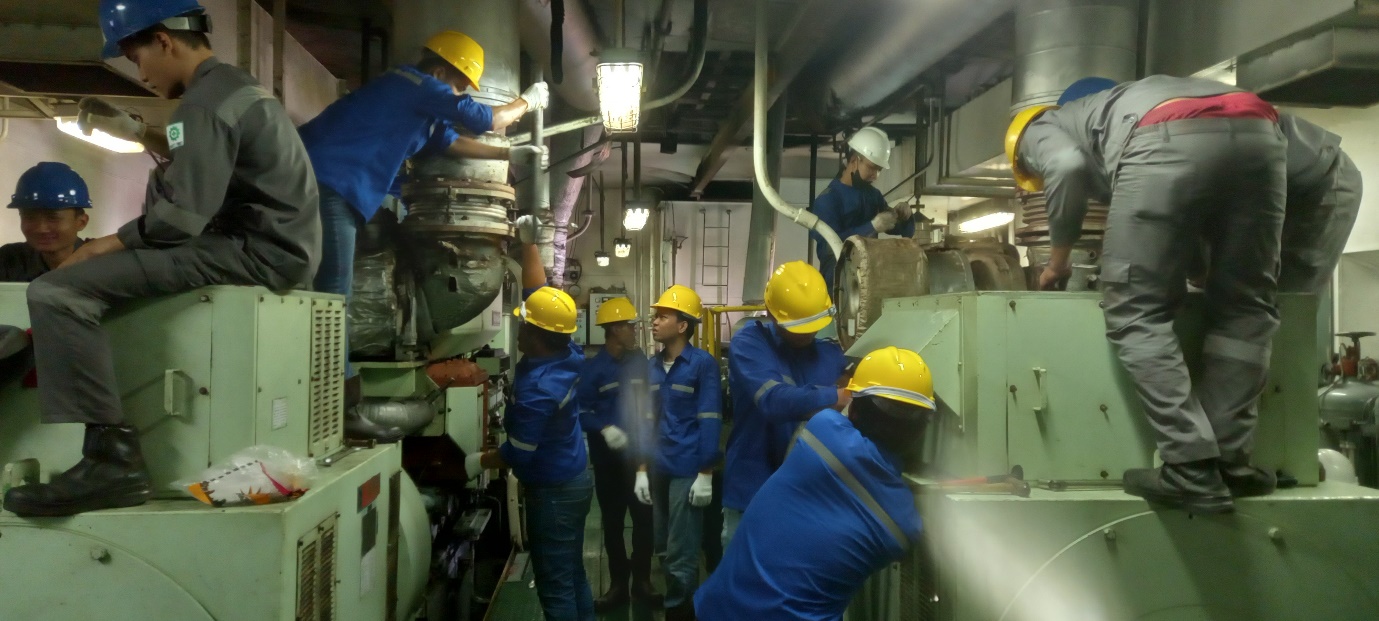
Our experts are skilled in the reconditioning, repair and maintenance, either at our home base in Indonesia or anywhere in the world.
Our Service
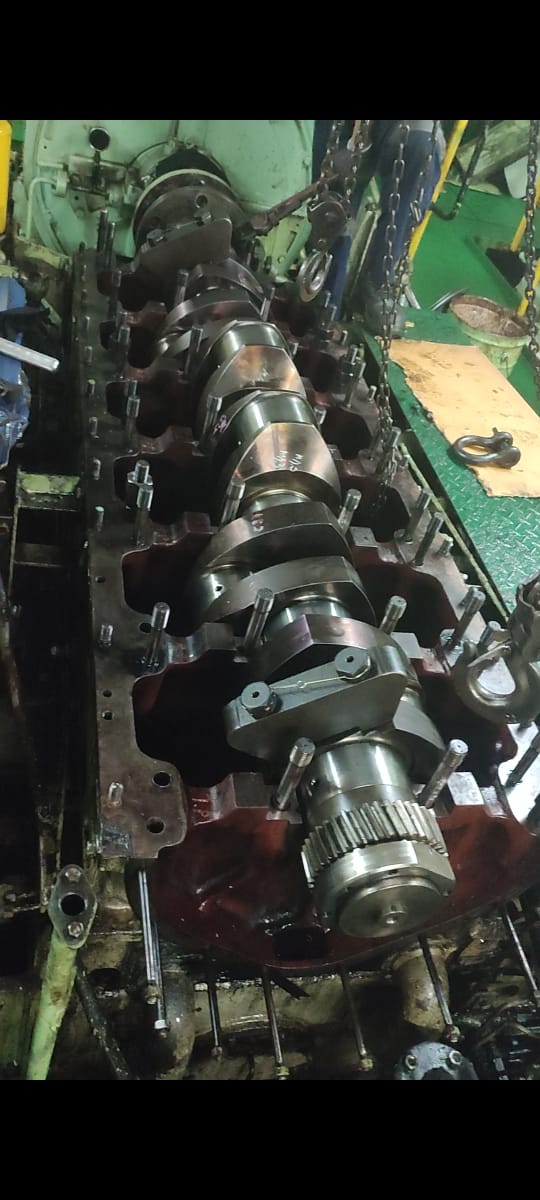
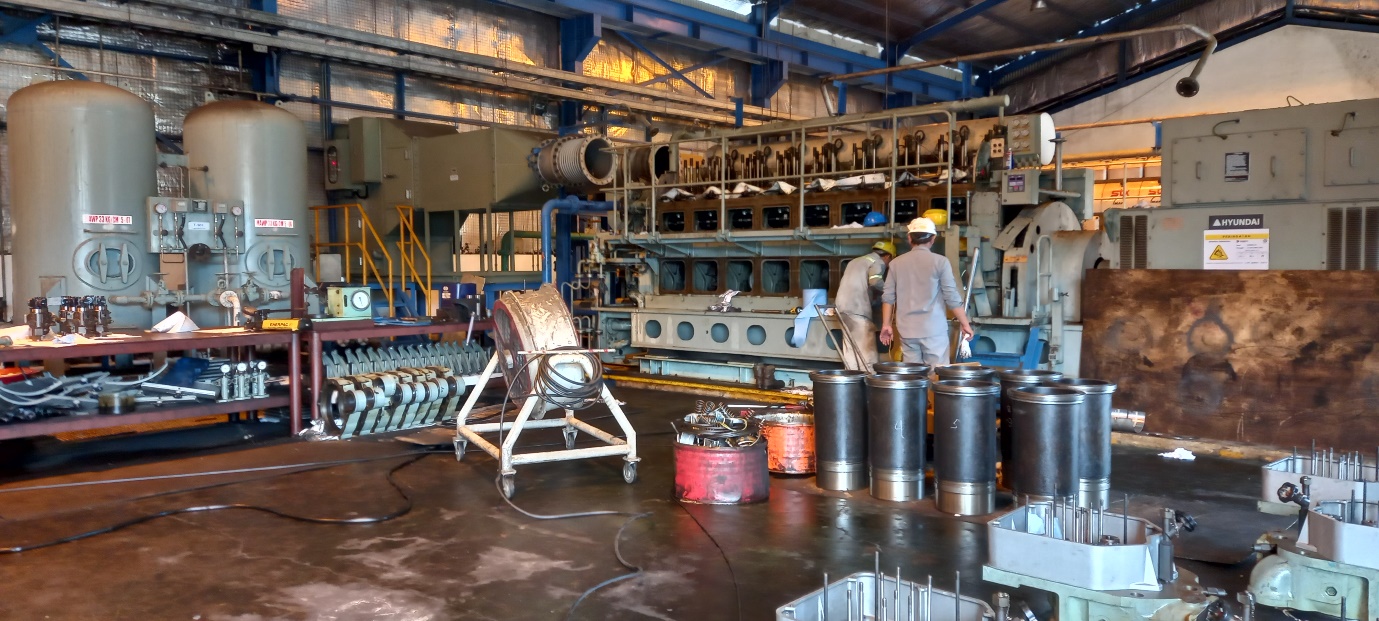
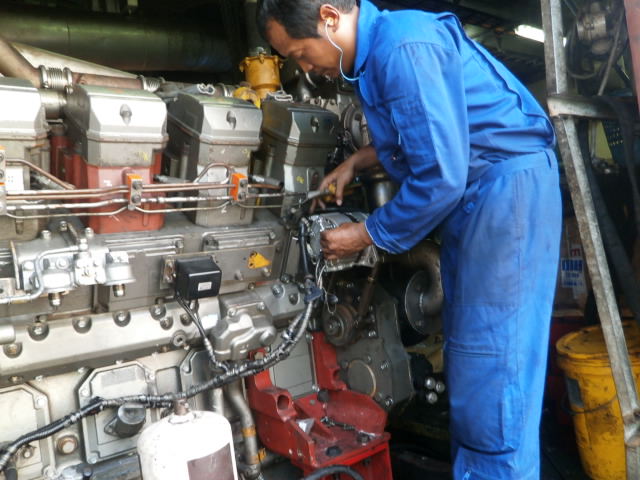
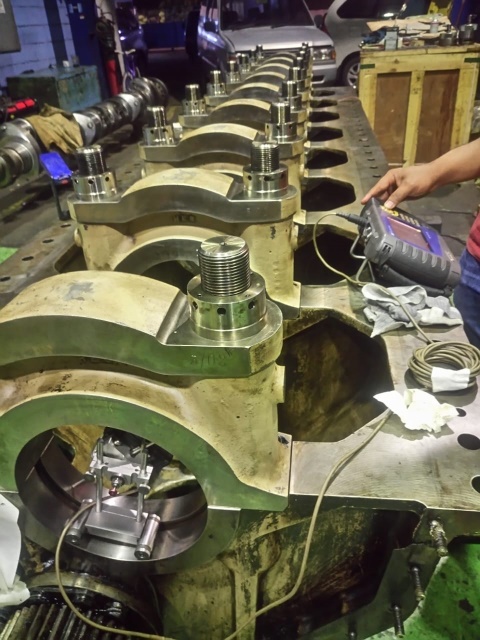
Two & Four Stroke Engine Maintenance & Overhaul
Gearbox Maintenance and Overhaul
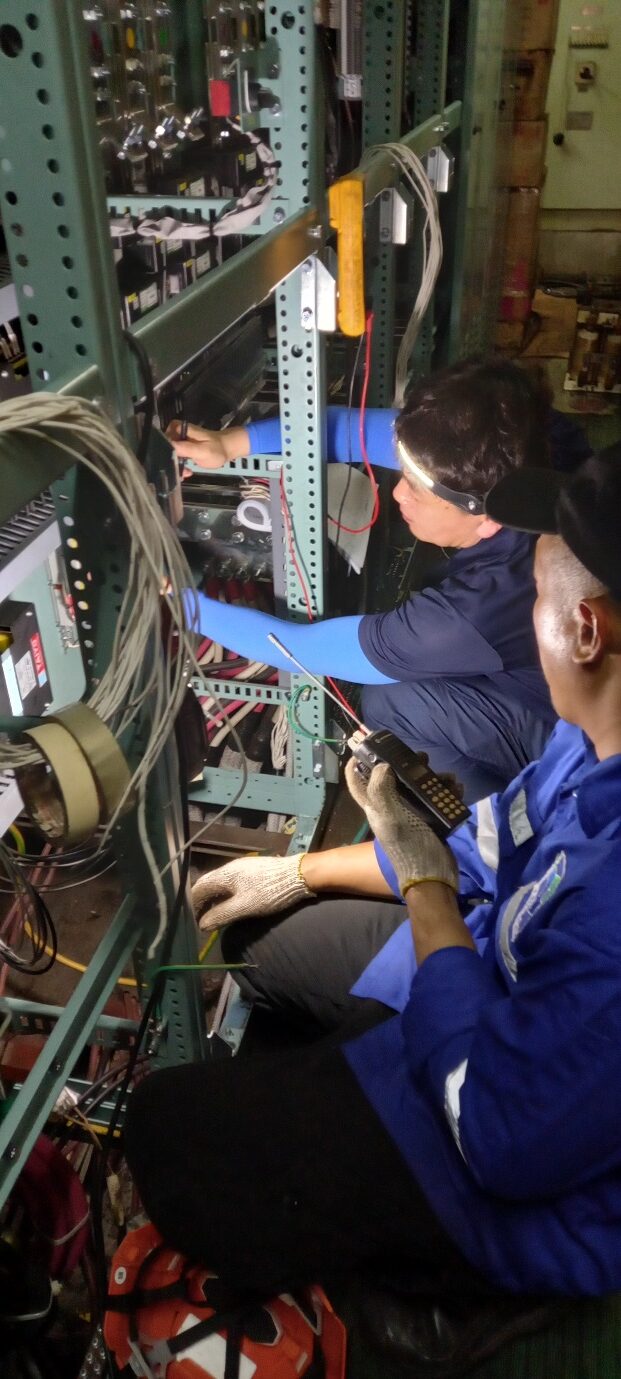
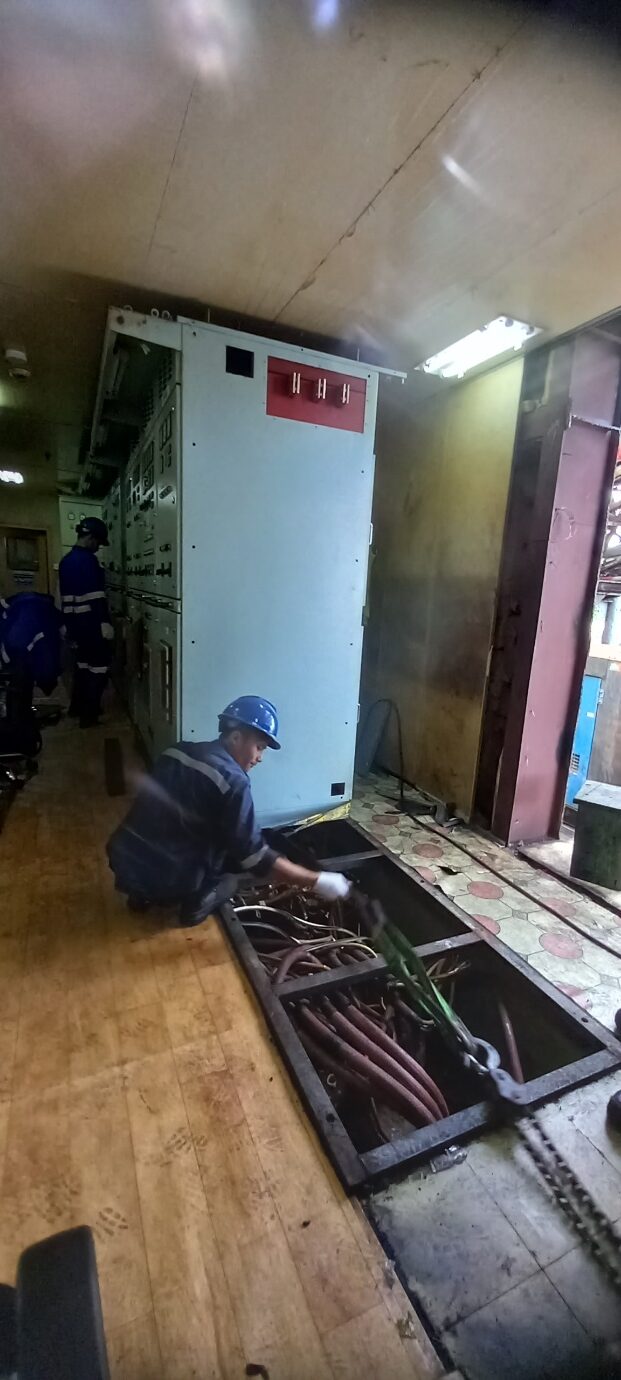
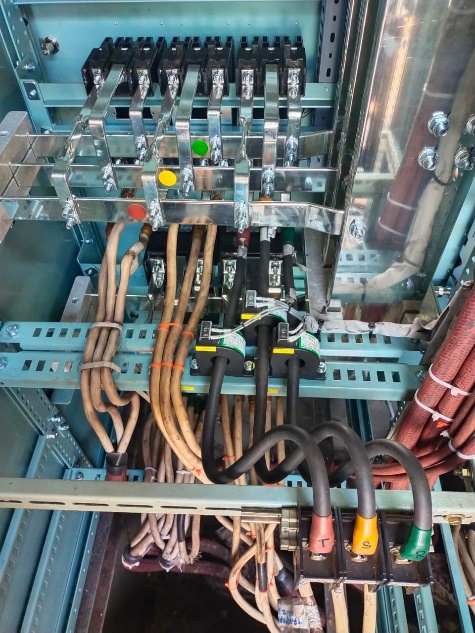
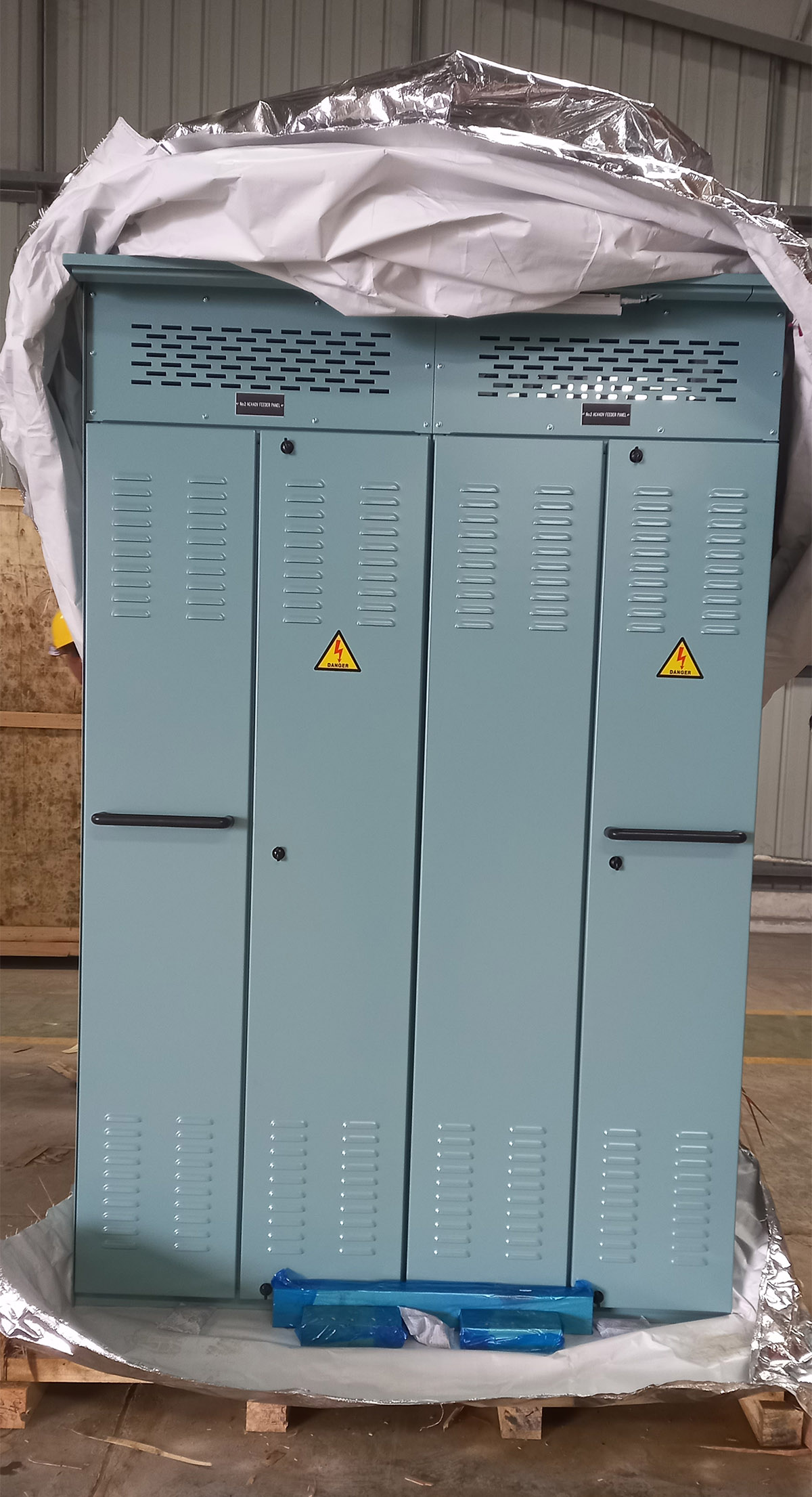
Electrical maintenance and replaced
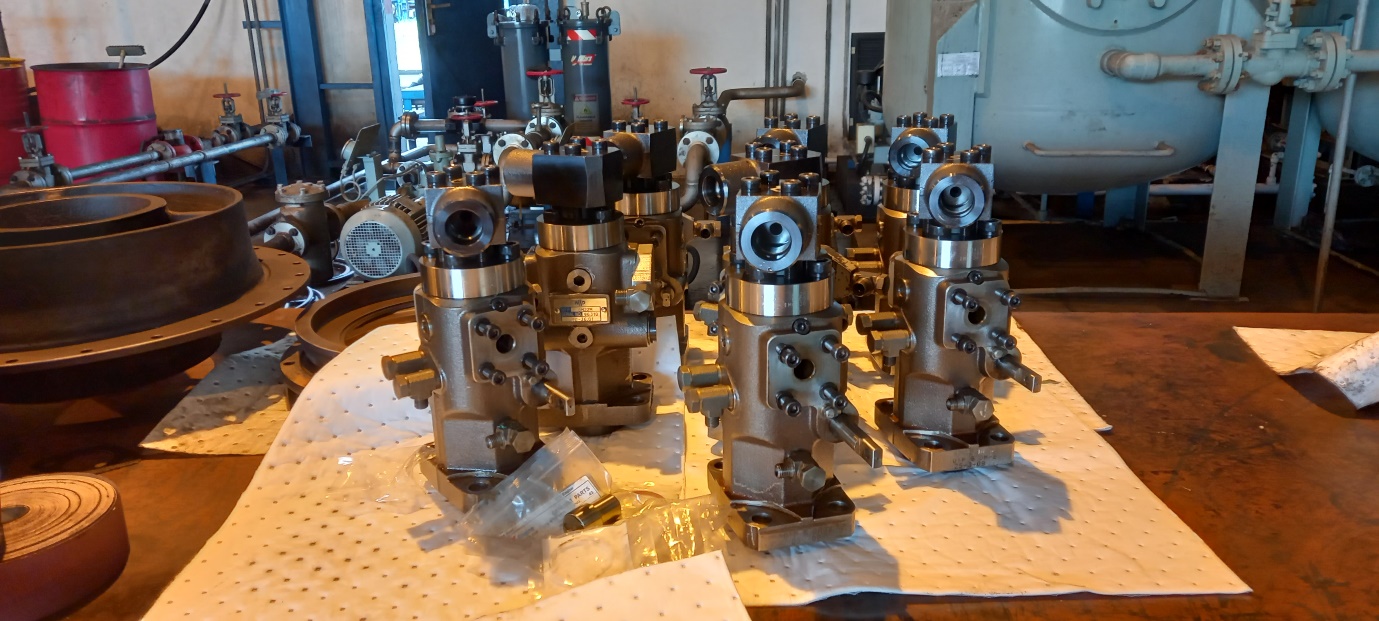
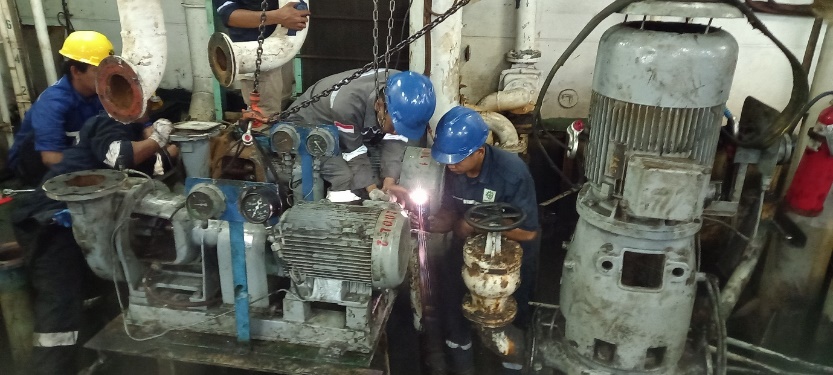
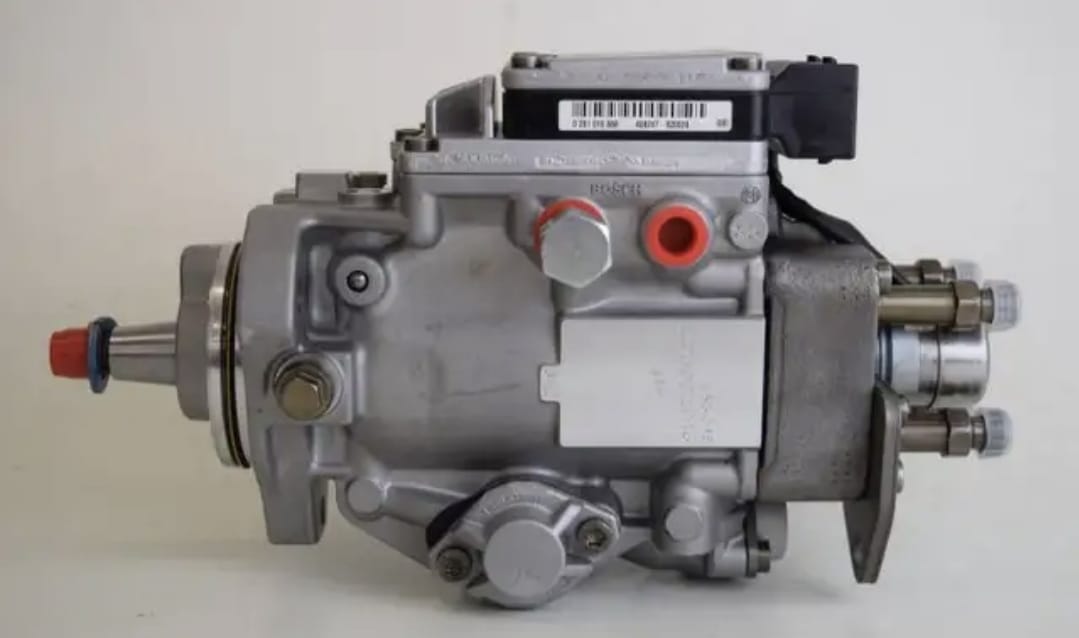
Pump Maintenance and Overhaul
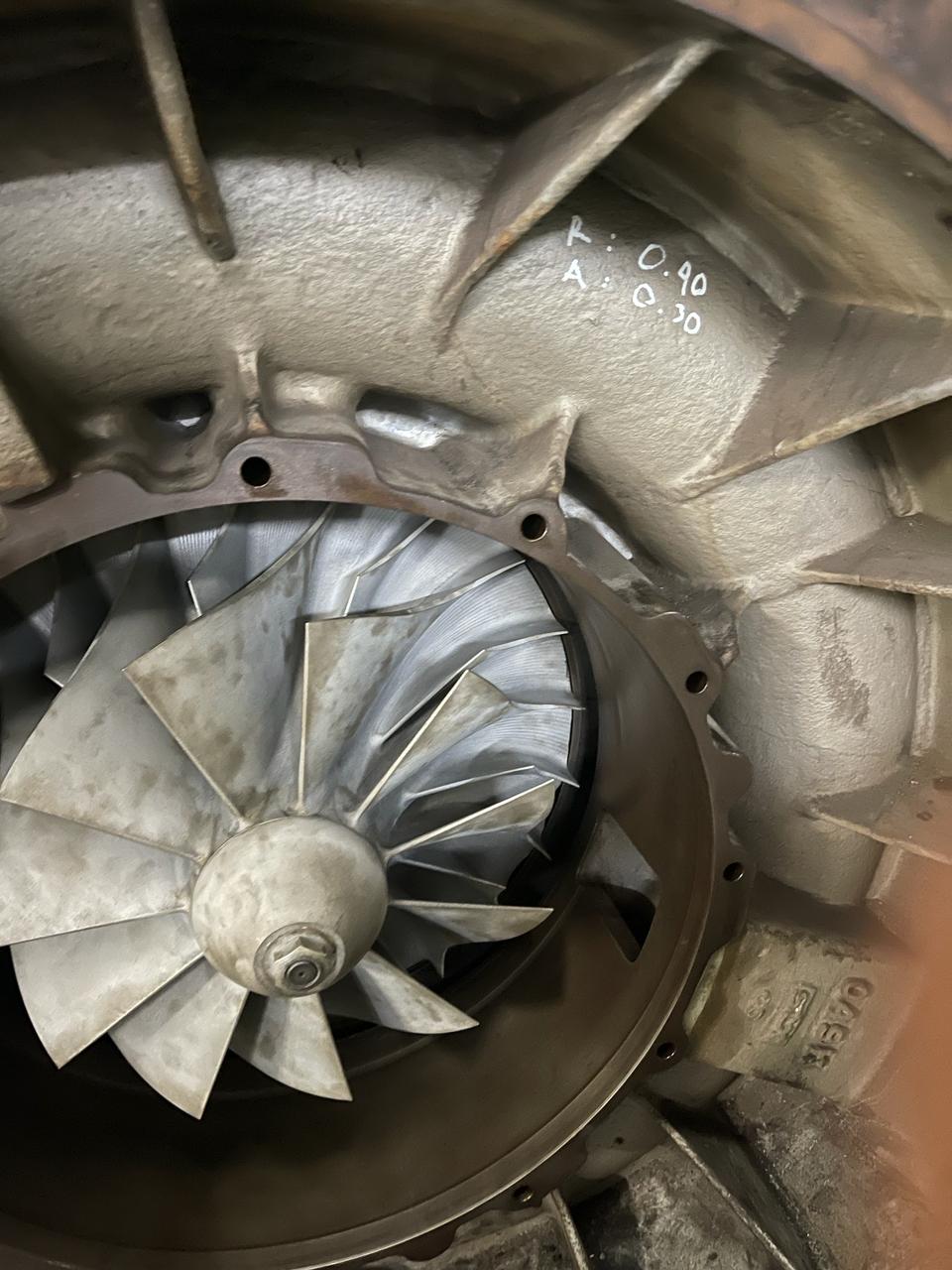
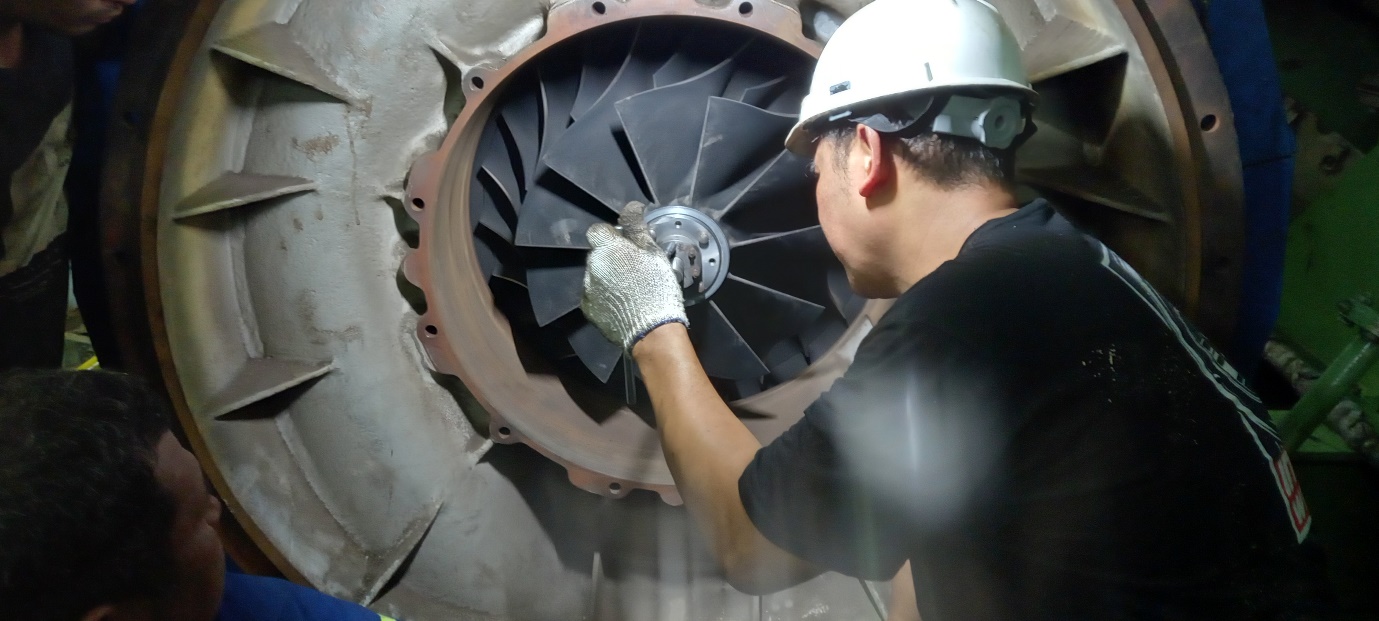
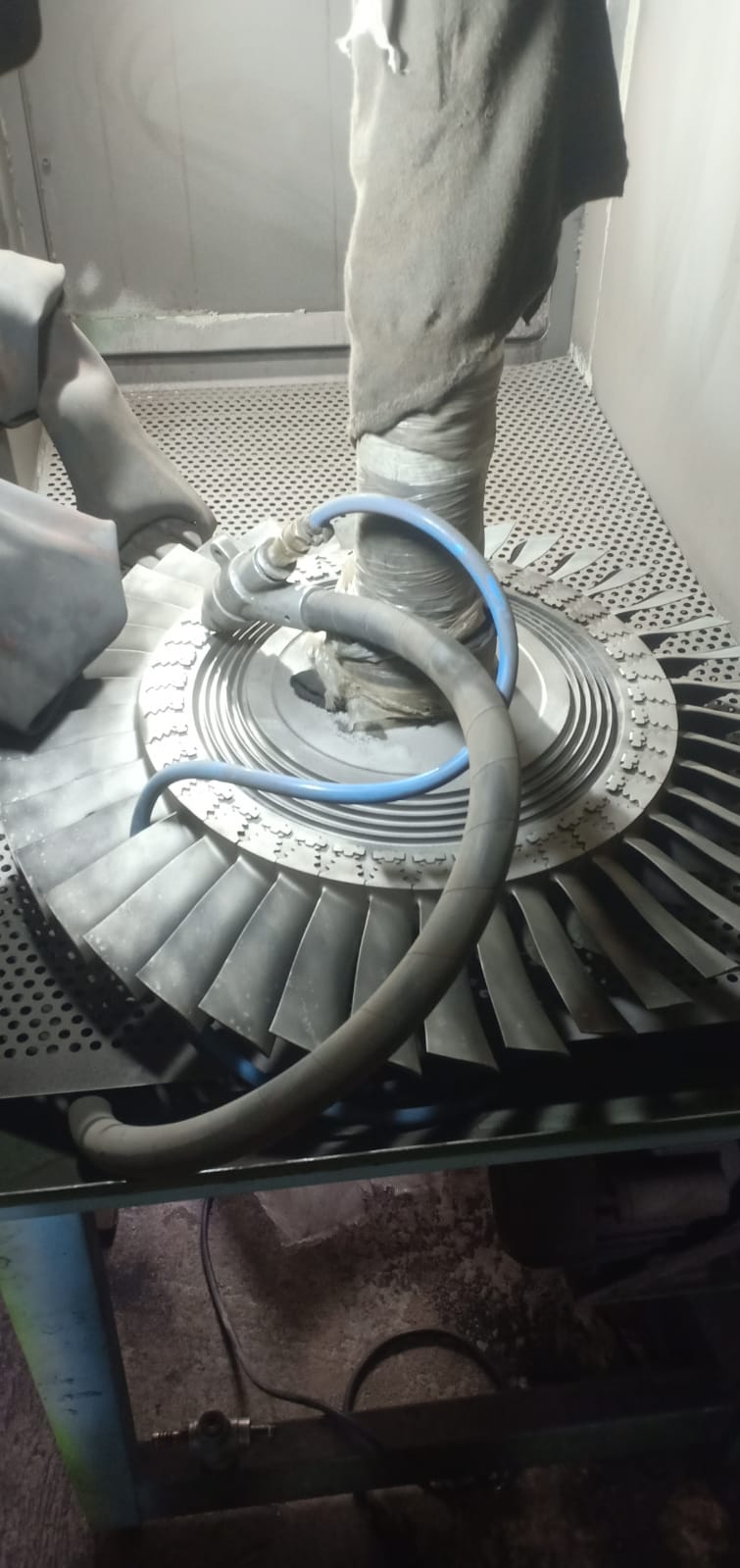
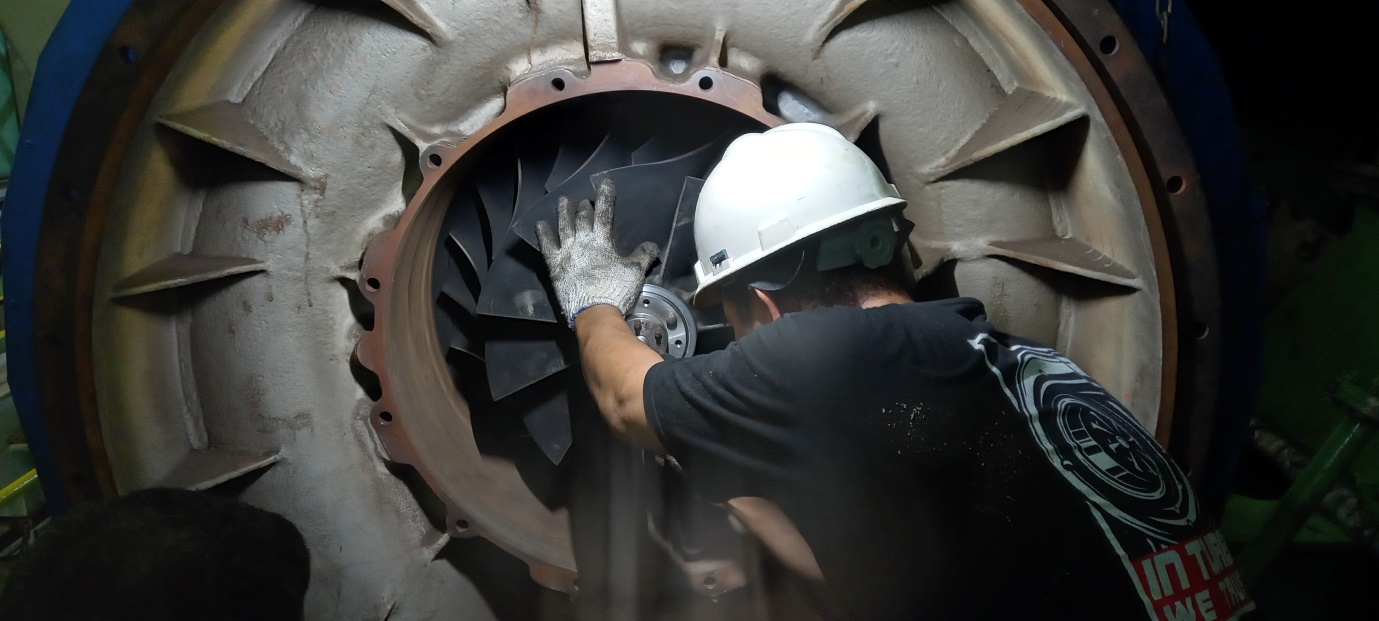
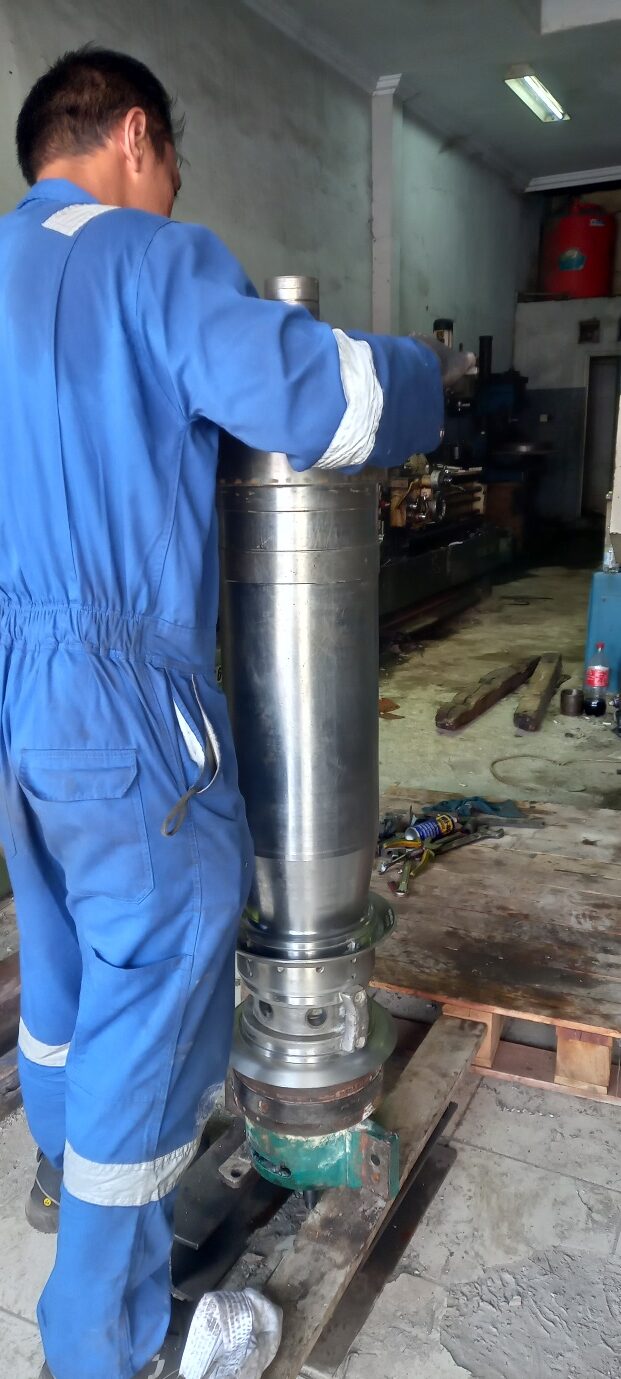
Turbocharger Maintenance and Overhaul
Damage inspection
Troubleshooting
Performance Evaluation
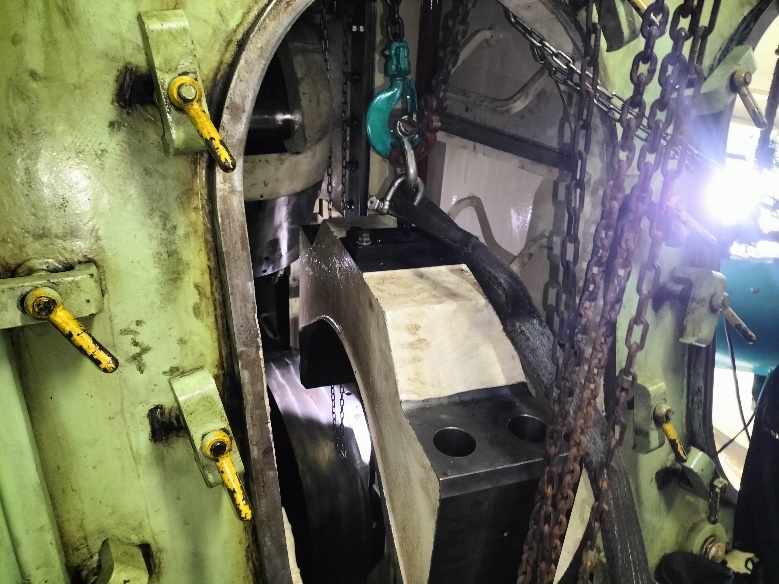
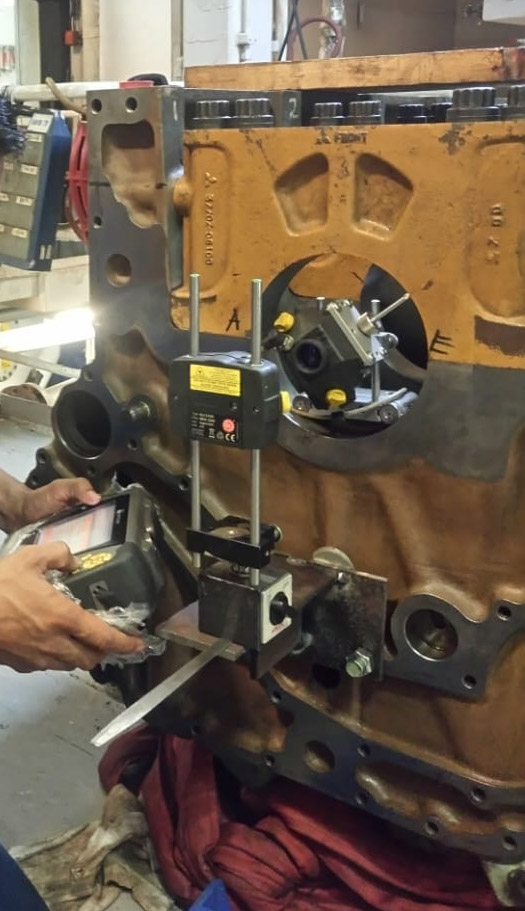
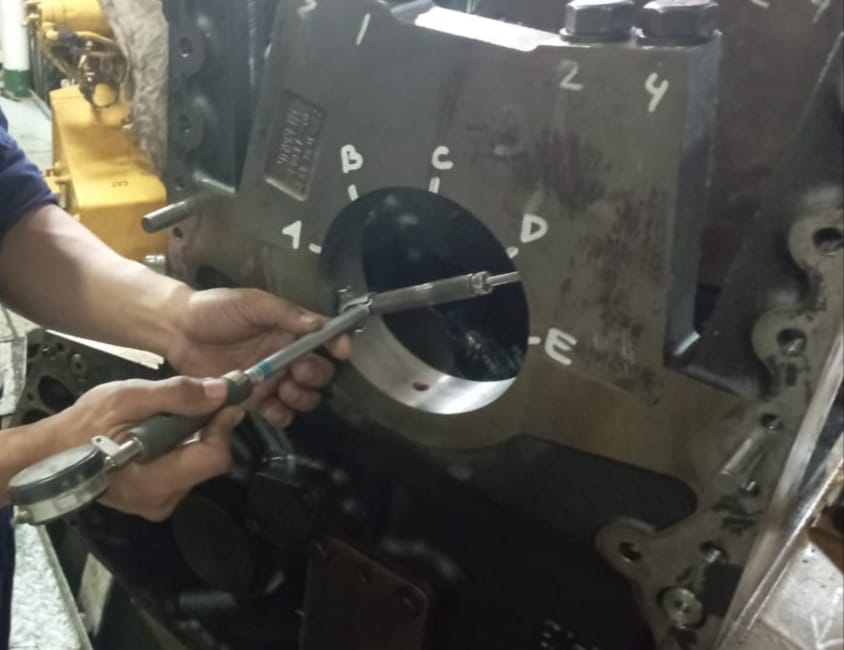
InSitu Machining
Of course, we also maintain and repair many other manufacturer’s brand of high-, medium and low-speed rotary – please contact us for details.
Any use by us of any engine manufacturer’s brand or model name, product codes, part numbers is for descriptive and/or reference purposes only.
One-stop shop – service, parts, component reconditioning and warranty
From services and parts to full component reconditioning, Beck Service has everything you need:
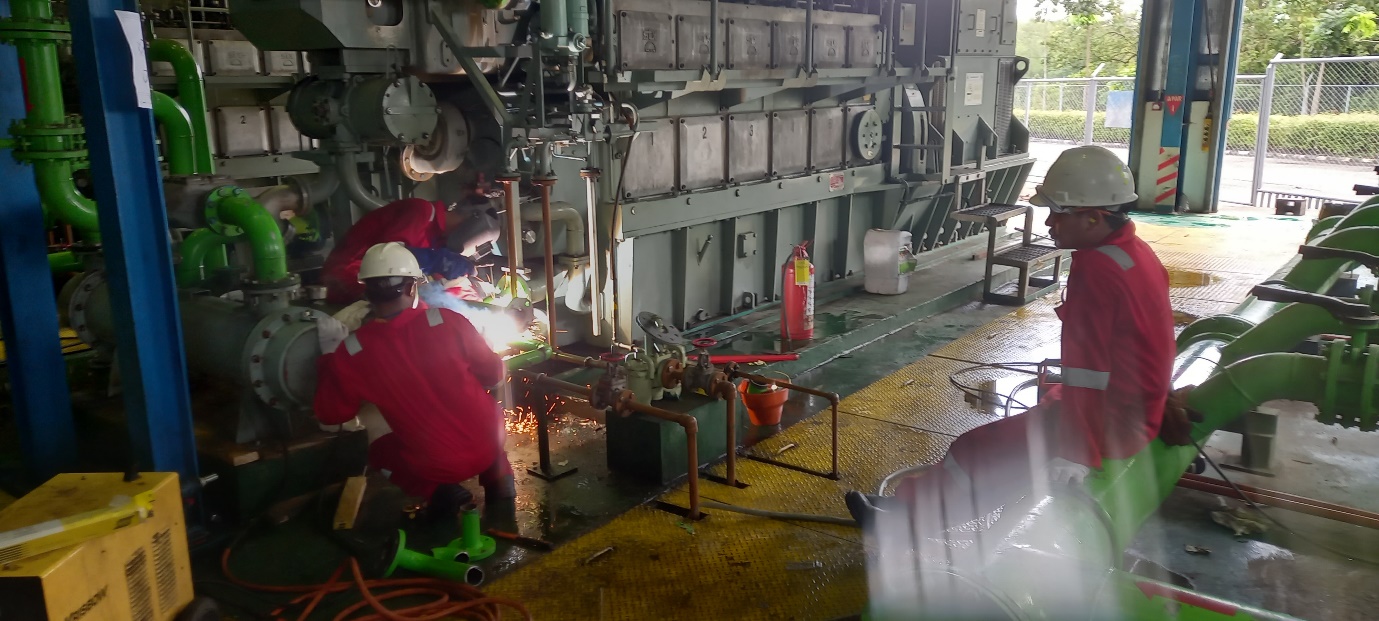
Field Service
Spare parts
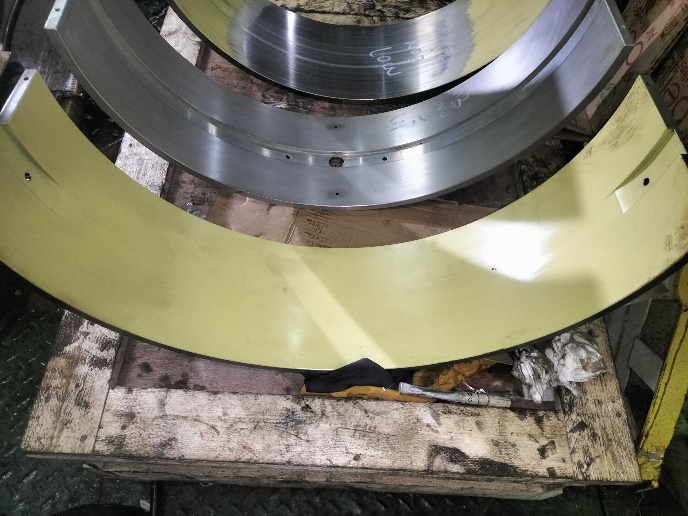
Component reconditioning
Warranty on parts and service
2-Stroke Engine
4-Stroke Engine
Turbocharger
Electrical Service
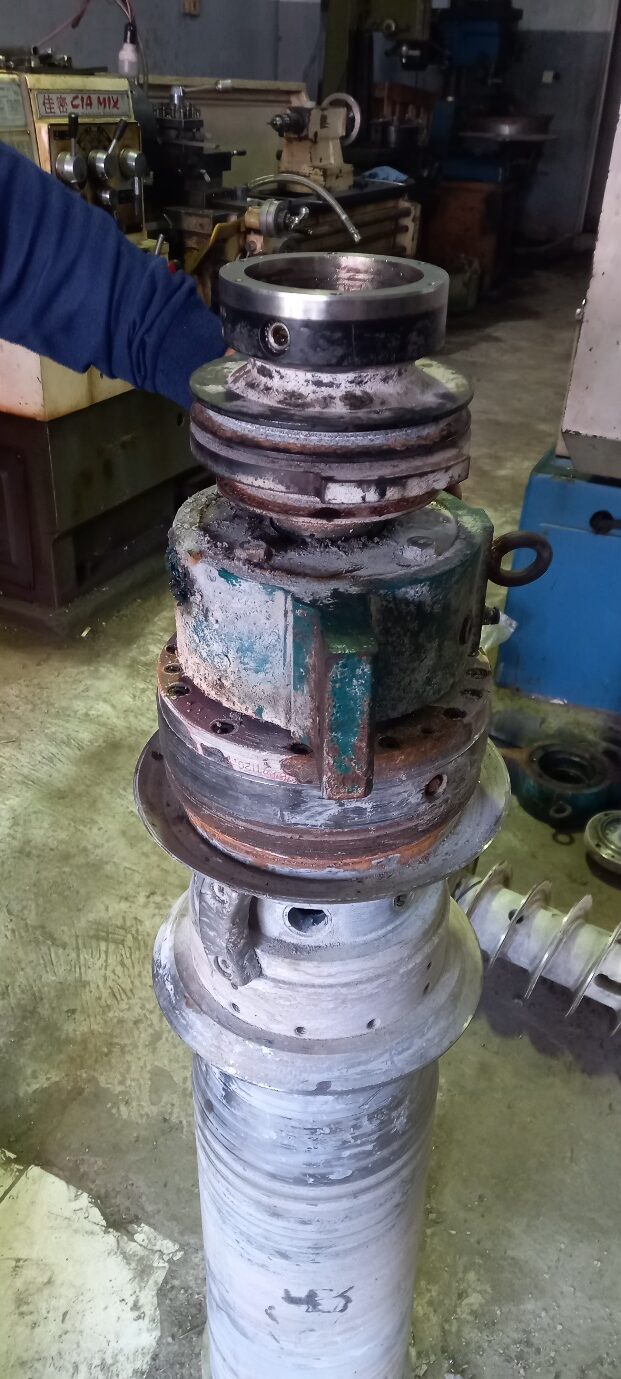
Industrial Service
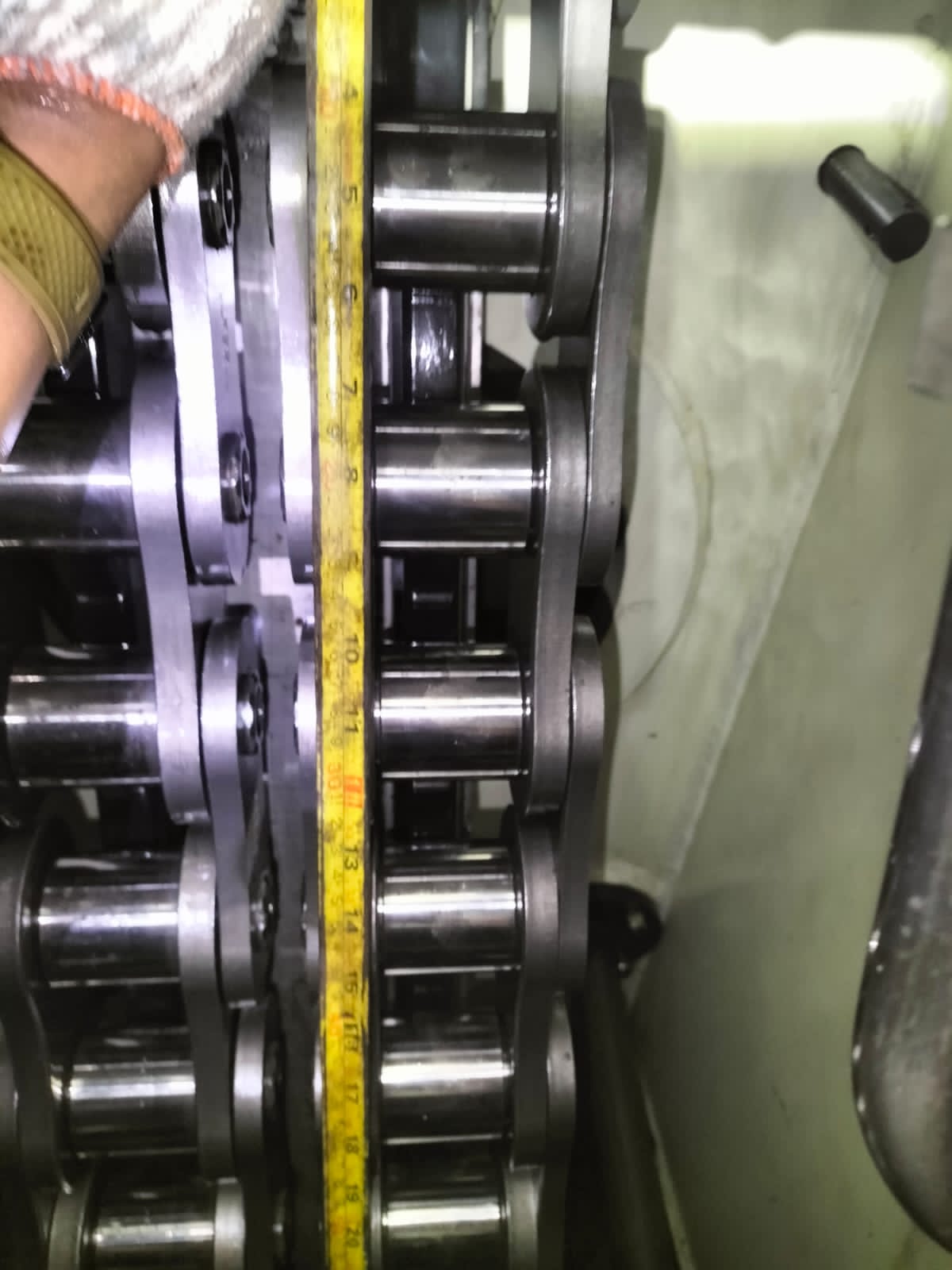
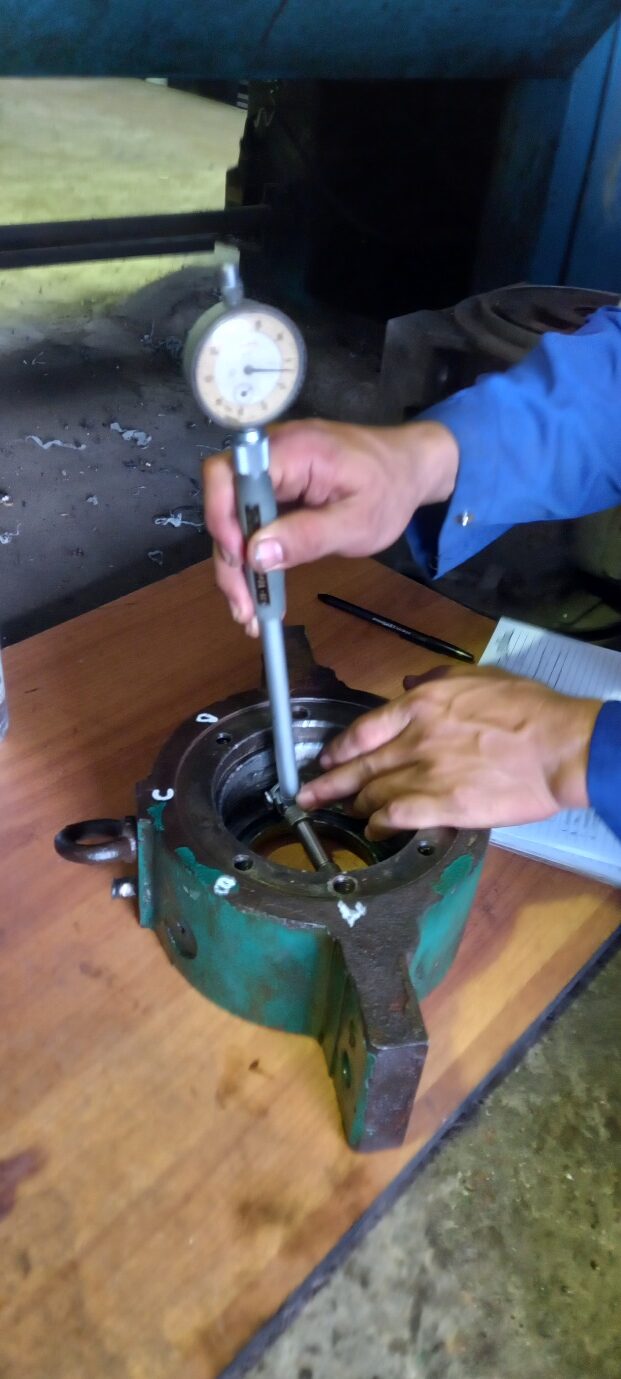
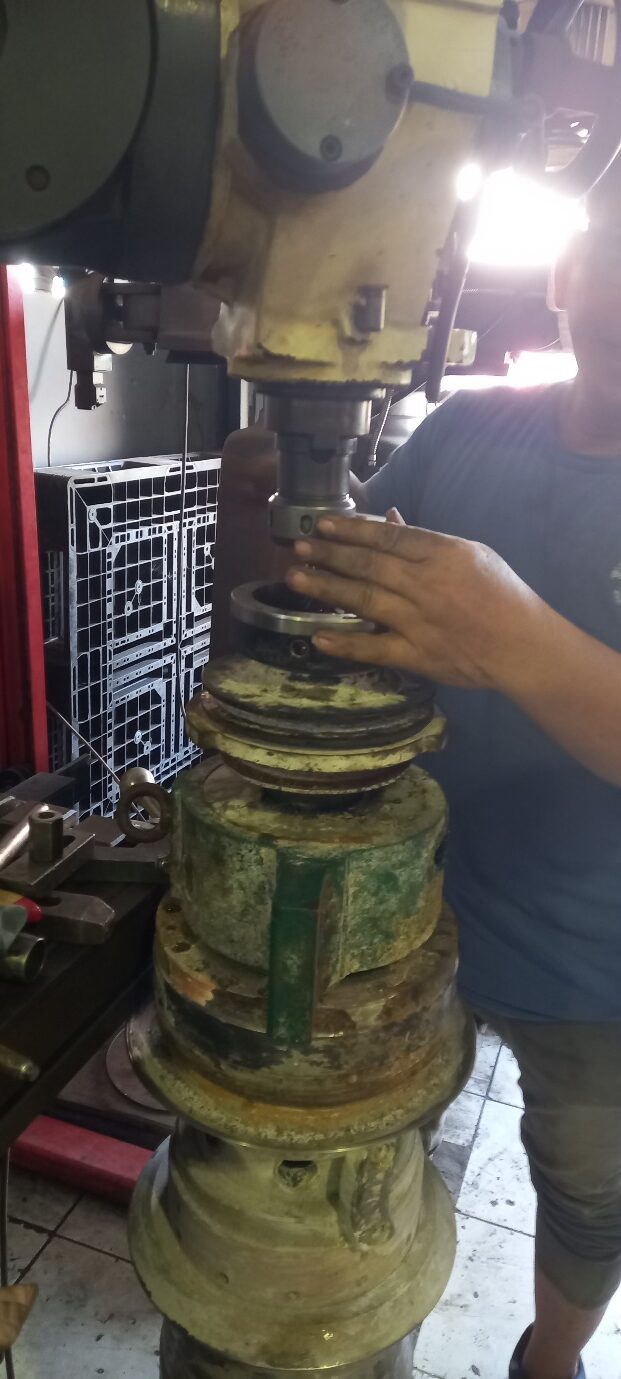
Machining and Machine Investigation
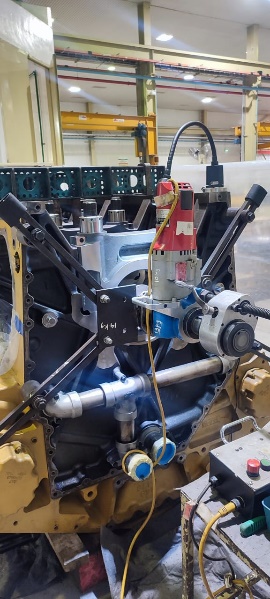
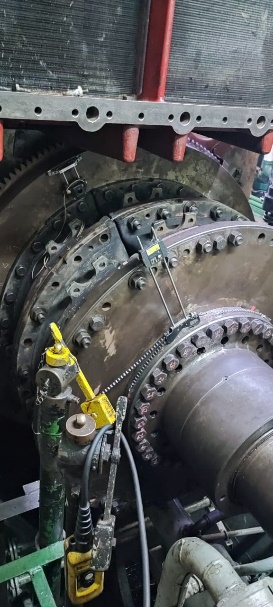
Skimming of crankshaft flanges
The crankshaft does not need to be removed to slide the crankshaft flange. Our portable surface grinding machine is mounted on the flange using an adapter plate and aligned with the help of a dial indicator. The flange surface is then smoothed using a diamond-coated disc.
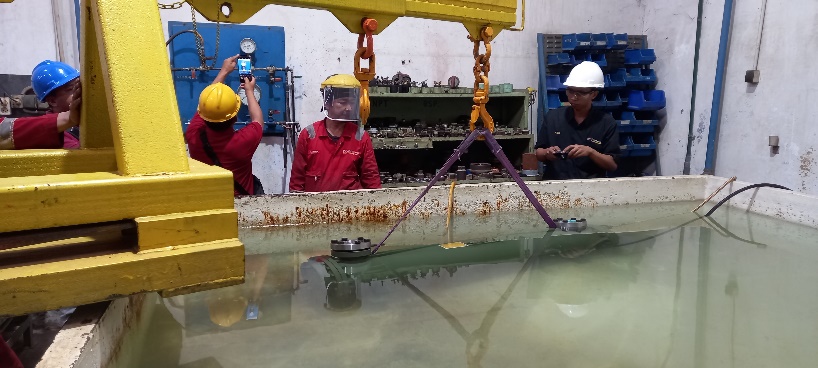
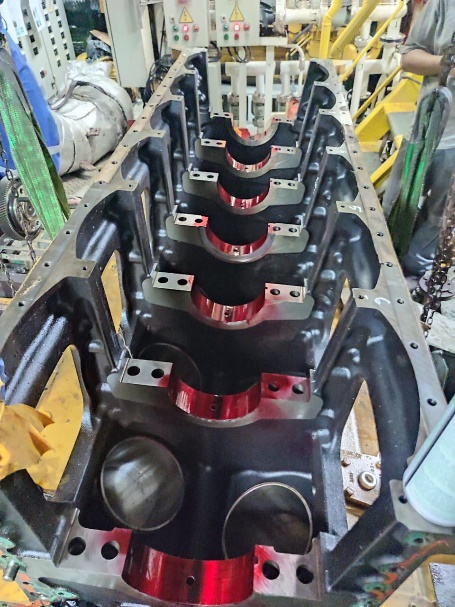
Crack detection testing: magnetic particle and dye penetrant inspection
Magnetic particle inspection uses air-transportable iron oxide powder, which is mixed with water or oil on site to create a wet suspension. The part to be tested is magnetized to create a magnetic field in the material. The iron-oxide suspension is then spread over the magnetized part, where it accumulates in any cracks. This is then visible under UV light.
Dye penetrant inspection involves applying red penetrant to a previously cleaned test surface, where the penetrant is allowed to soak into any defects. Excess penetrant is then removed from the surface and a chalky white developer is applied. The developer removes the red penetrant from any defects and makes them visible on the surface.
Spare parts
Whether for commercial or recreational use, you will find all available replacement parts for your machinery.
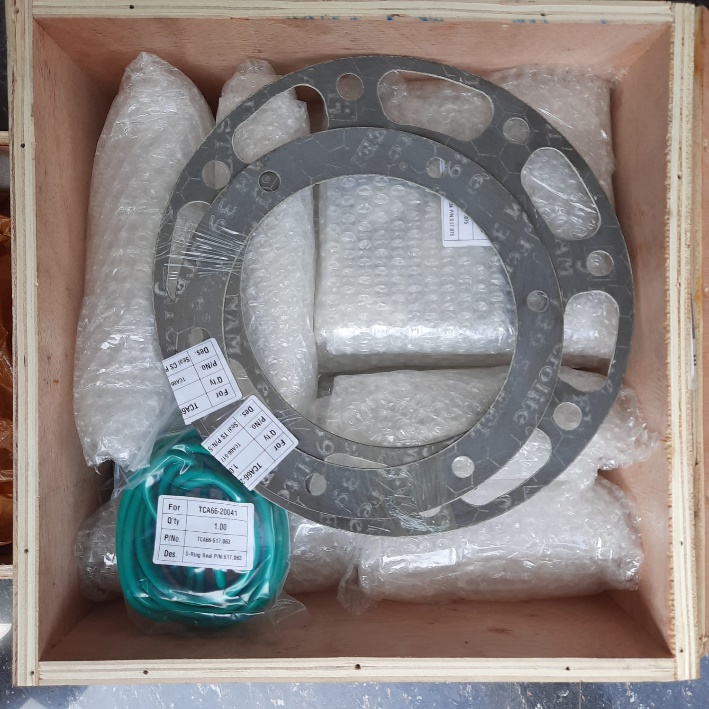
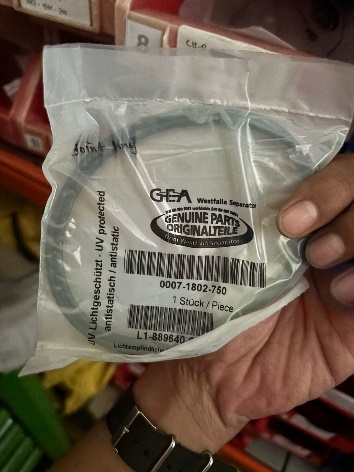
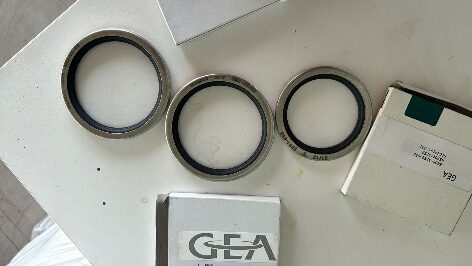
you can purchase all required filters, impellers, anodes, gaskets, engine oil and all kinds of engine parts individually or order them as complete kits.
For the payment we offer bank transfer, delivery is express from the supplier.
Our team of experienced technicians will support you on any technical questions about your marine diesel engine, industrial engine and various mechanical and electrical. Just call us or send us an e-mail.
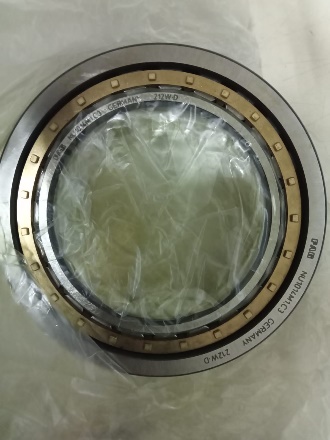
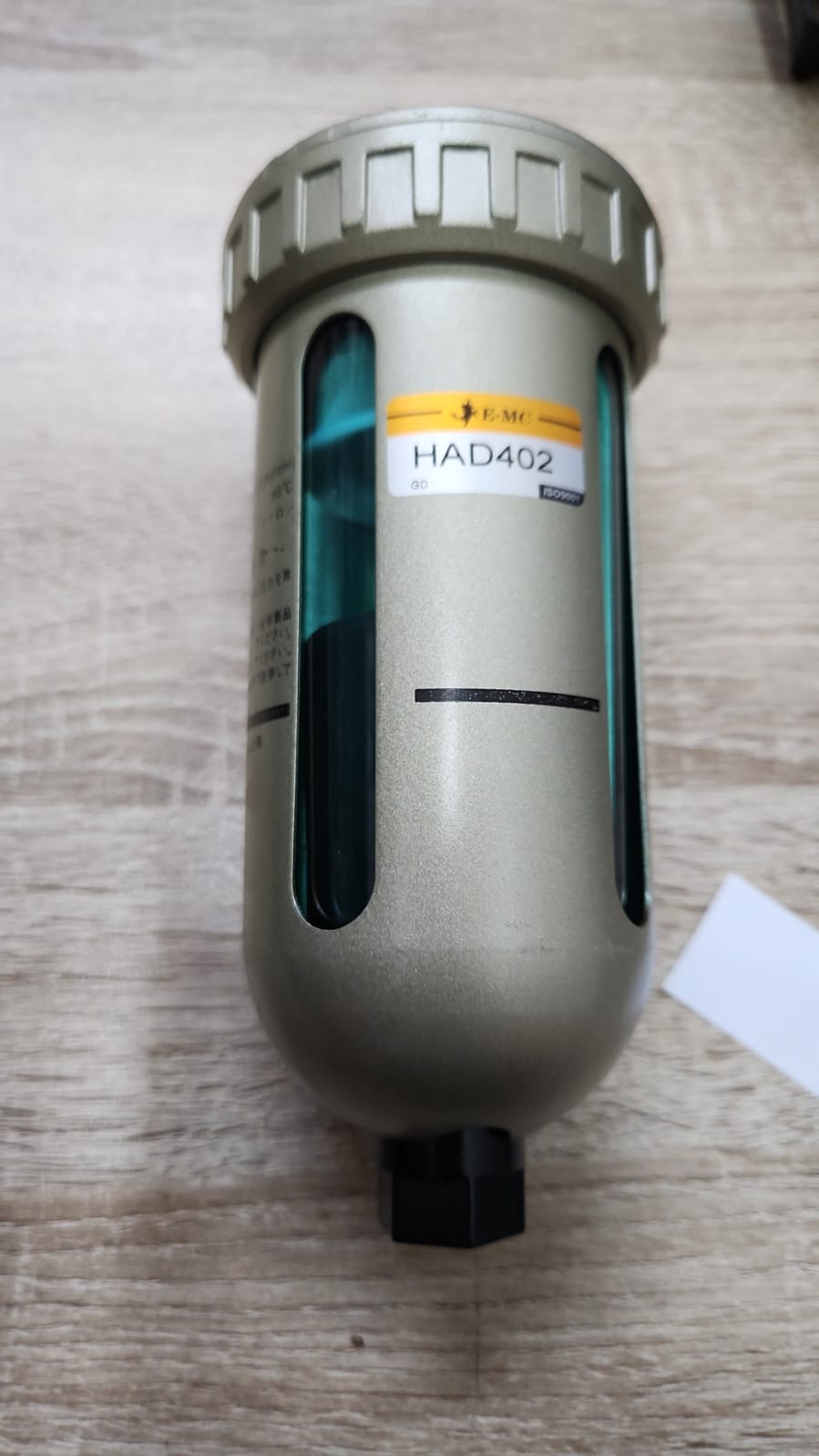
With us you will not only find replacement parts for your engine but also for the associated drive.
Beck Service is your reliable partner for engines, gearbox, mechanical, electrical and offers you as a technical and electrical complete service – wherever you need us.